
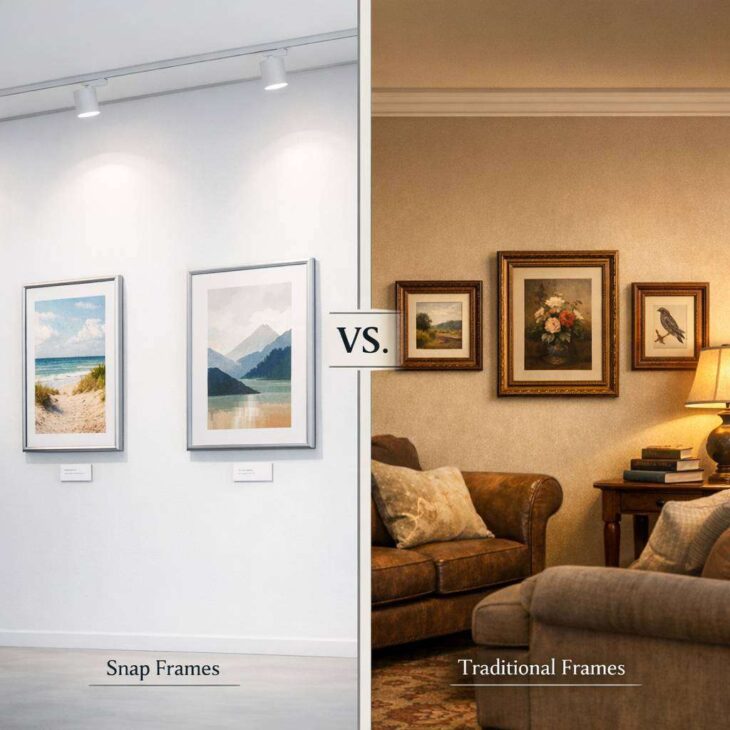
Snap Frames vs. Traditional Frames: Which Is Best for Your Gallery or Home?
Snap frames offer quick, stylish display solutions for photos, artwork, and notices. Their simple, tool-free design makes swapping prints effortless, ideal for home or office use. Durable materials and clean finishes ensure long-lasting presentation. For more inspiration and options, explore a curated collection here: snap frames, plus tips on arranging multiple frames for cohesive wall displays.
In the world of picture presentation, the choice between snap frames and traditional frames is more than a matter of aesthetics. It touches on practicality, maintenance, and how you intend to interact with art and photography over time. As an expert in display solutions, I will outline the key considerations to help you decide which option aligns best with your gallery or home.
What are snap frames?
Snap frames, sometimes called snap frame displays, are lightweight, ready-to-frame units designed for quick, tool-free changes. The front cover typically functions as a snap-in panel, allowing you to swap artworks or photographs with ease. Many snap frames use a snap or hinge mechanism behind a tightly fitting front cover, often made from acrylic or glass, which keeps the display secure while enabling rapid cycling of exhibits. They are particularly popular in dynamic environments—galleries that host rotating exhibitions, corporate spaces, schools, and retail displays.
What are traditional frames?
Traditional frames encompass a broad spectrum of styles, from simple wooden mouldings to ornate gilt frames. They usually require glazing, matting, backing, and a hanging system. The assembly process is more involved: you measure, cut, mount, and then secure your artwork behind glass or acrylic, sometimes with a spacer or mount to create visual depth. Traditional frames are renowned for their timeless appeal, archival compatibility, and the ability to tailor materials to specific conservation needs.
Aesthetics and presentation
- Snap frames offer clean, contemporary lines. Their minimalist design emphasises the image, reducing distraction from the frame itself. The consistent, uniform look suits modern galleries and social spaces where the focus should remain on the artwork.
- Traditional frames deliver character and gravitas. The choice of material, profile width, and finish can complement period interiors or collectible works that benefit from a tactile, crafted border. For historical pieces or high-value prints, a bespoke frame can enhance perceived importance.
Speed, convenience, and workflow
- Snap frames excel in speed. Changing a display can be performed in minutes, without tools, which is invaluable for curators who rotate pieces weekly or monthly. For venues with multiple works in rotation, snap frames reduce downtime and logistical overhead.
- Traditional framing demands more time and expertise. Mounting, glazing, and ensuring alignment can take hours per piece. However, this process yields a customised result and can integrate archival materials that extend the piece’s longevity.
Conservation and protection
- Snap frames often use standard glass or acrylic with a sealed front, providing basic protection from dust. Modern snap frames can incorporate UV-filtering glazing and anti-reflective coatings, but care must be taken with materials to ensure long-term stability. For temporary or semi-permanent displays, snap frames offer a practical balance of protection and accessibility.
- Traditional frames can be configured for higher conservation standards. Acid-free mounts, UV-filtering glass, and properly chosen backing boards help minimise acid migration and environmental impact on the artwork. For priceless or historically significant works, this is typically the preferred route, sometimes in consultation with a conservator.
Longevity and durability
- The durability of snap frames is generally tied to their materials and construction. A well-made snap frame can withstand frequent handling, making it suitable for busy spaces. However, the front cover is susceptible to scratches or impact if not cared for properly.
- Traditional frames, particularly robust wooden or metal profiles with quality glazing, often endure longer in stationary contexts. They can be maintained with routine sanding, refinishing, and glazed upgrades. The longevity is highly dependent on environmental control and the quality of components.
Cost and value
- Snap frames present a cost-effective solution for rapid changes and large-display environments. They are typically more affordable per piece than commissioning bespoke frames and can reduce labour costs associated with display updates.
- Traditional frames represent a higher initial investment but can offer lasting value through customisation, archival considerations, and aesthetic compatibility with esteemed works. For collectors and galleries, the prestige and preservation benefits may justify the expense.
Versatility and exhibition strategy
- Snap frames are highly versatile for itinerant or seasonal exhibitions. They excel in settings where the same wall is used to display multiple works within a short period. The lightweight nature also makes them easy to relocate, reconfigure, or re-hang after venue changes.
- Traditional frames shine in curated, cohesive collections where each piece benefits from a unique frame pairing. They enable nuanced visual storytelling, drawing connections between works through consistent or deliberately contrasting frames.
Practical tips for choosing
- If your priority is flexibility and rapid turnover, invest in a quality line of snap frames with UV-protective glazing. Ensure the frame width and depth accommodate your preferred size and mounting method. Consider locking mechanisms if security is a concern in public spaces.
- If conservation, long-term display, or a specific historical or stylistic look is essential, opt for traditional framing. Select acid-free mounts, archival backing, and glazing with UV protection. Work with a reputable framer who understands conservation principles.
- For mixed environments, a hybrid approach can be effective. Use snap frames for high-turnover pieces or temporary exhibitions, and reserve traditional frames for cornerstone works or those with particular provenance.
Maintenance and care
- Snap frames require periodic cleaning of the front cover and inspection of seals to maintain integrity. Store spare frames or components in a dry, dust-free environment.
- Traditional frames necessitate routine checks for loose joints, backing integrity, and glazing wear. Clean glass with appropriate solutions to avoid streaks and ensure even lighting to reduce glare.
In summary, the decision between snap frames and traditional frames hinges on the intended usage, conservation requirements, and the desired aesthetic. For galleries and home environments that prioritise adaptability and speed, snap frames offer compelling advantages. For pieces that demand archival protection and a historically resonant presentation, traditional frames remain the superior option. If you can articulate the balance you seek between flexibility, protection, and appearance, you will select the arrangement that best supports your visual storytelling. Snap frame solutions and traditional framing both have their rightful places in a thoughtful display strategy.